Pattern 32
The annotation anchor is explicit
Make exact wording and reference-based notes different personal objects.
Concrete takeaway
Allow quick marking without forced organisation.
Choose an approach
These are editorial decision conditions to validate. Some alternatives are successive states or can be combined; they are not always exclusive choices.
| Alternative | Use when | Tradeoff or requirement |
|---|---|---|
| A · Mark first | The user wants a quick mark | Forced categorisation slows a simple task |
| B · Choose the anchor | A note may need to travel across editions | Reference anchors and exact wording have different scope |
| C · Personal meaning | The user wants personal style meanings | Do not infer theology or mood from a colour |
The problem
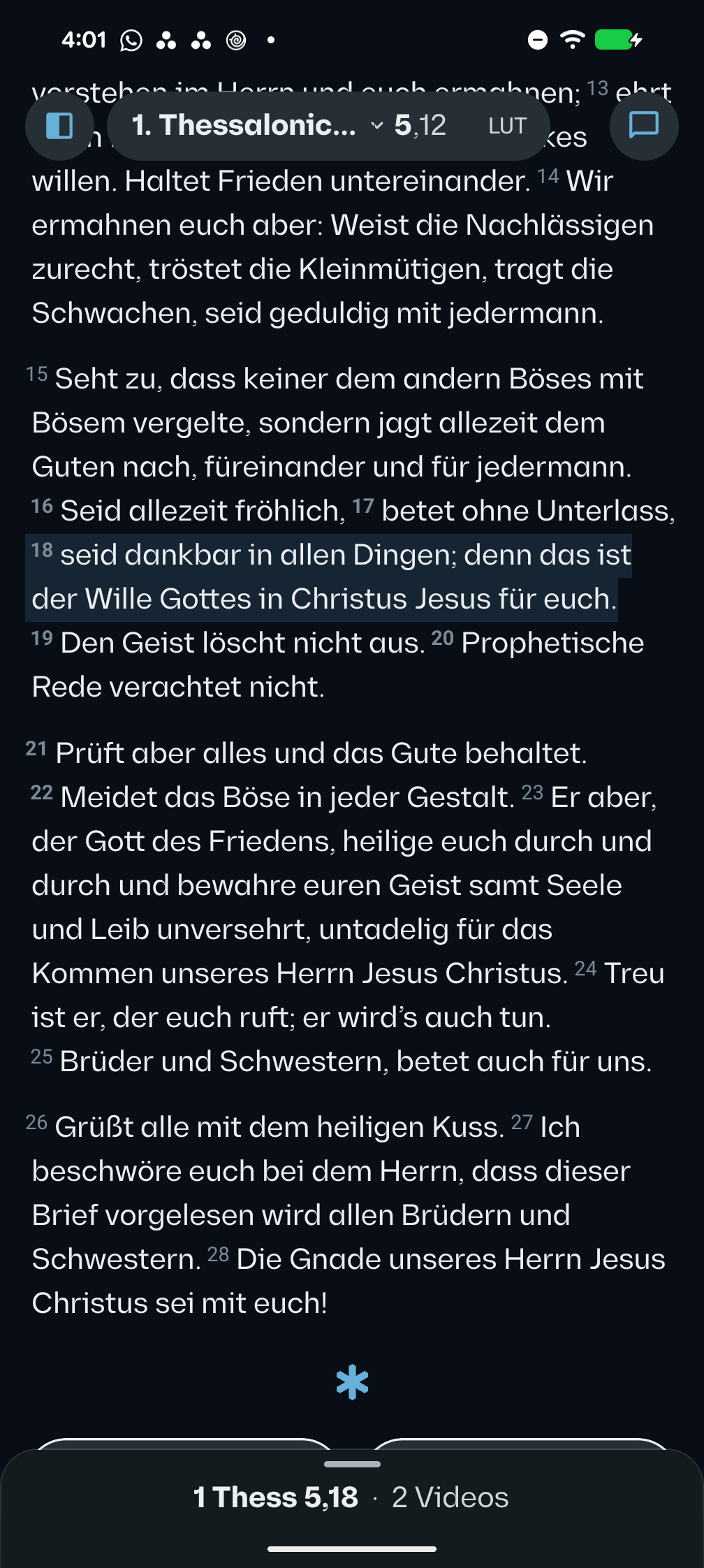
A highlight on particular words and a note about a verse behave differently when the translation changes.
The pattern
Allow quick marking without forced organisation. Explain whether the annotation targets an exact edition-specific selection or a passage reference. Colours and labels are optional personal conventions.
Compare the alternatives
Make exact wording and reference-based notes different personal objects.
A · Mark first
Organisation can wait.
B · Choose the anchor
Exact text and a passage reference have different scope.
C · Personal meaning
Question
No label.
The user defines whether a mark has a meaning.
Original wireframe proposals · No live controls · Grey rows represent schematic text, not loading states · Labelled placeholders are not Scripture quotations
Download this wireframe as SVGFailure modes
Assuming a colour reveals theology or mood; requiring tags before saving; promising exact word transfer across translations.
What to validate
Can users understand where their note will appear after switching editions? Test unlabelled highlights and annotations across verse ranges.
Research-informed design proposal. These visual alternatives have not been tested with users in this atlas. Source findings, documented behaviour and this proposed adaptation are different kinds of evidence.
Sources and adaptation
This card is an original design synthesis. The following sources inform its content distinctions, interaction approach or review requirements; they do not validate the whole pattern.
- Record your insights using NotesOfficial documentation reviewed · Documentation does not validate all proposed sync or overlap behaviour.
Common scenarios and flows
- Open a reference and retain context — Reach the intended verse or range without losing the search or conversation.
Examples in use
Attributed app evidence with dates and review limits. A screenshot illustrates an implementation; it does not establish that the proposal works for every audience.
Design principles in this decision
Editorial application of Missional by Design. These values frame review questions; they do not validate a pattern’s effectiveness.
- Rootedness — Which source and tradition inform this experience, and what meaning or context might this adaptation lose?
Compare alternatives using the task and evidence above. Record competing needs instead of treating a principle as an automatic verdict.